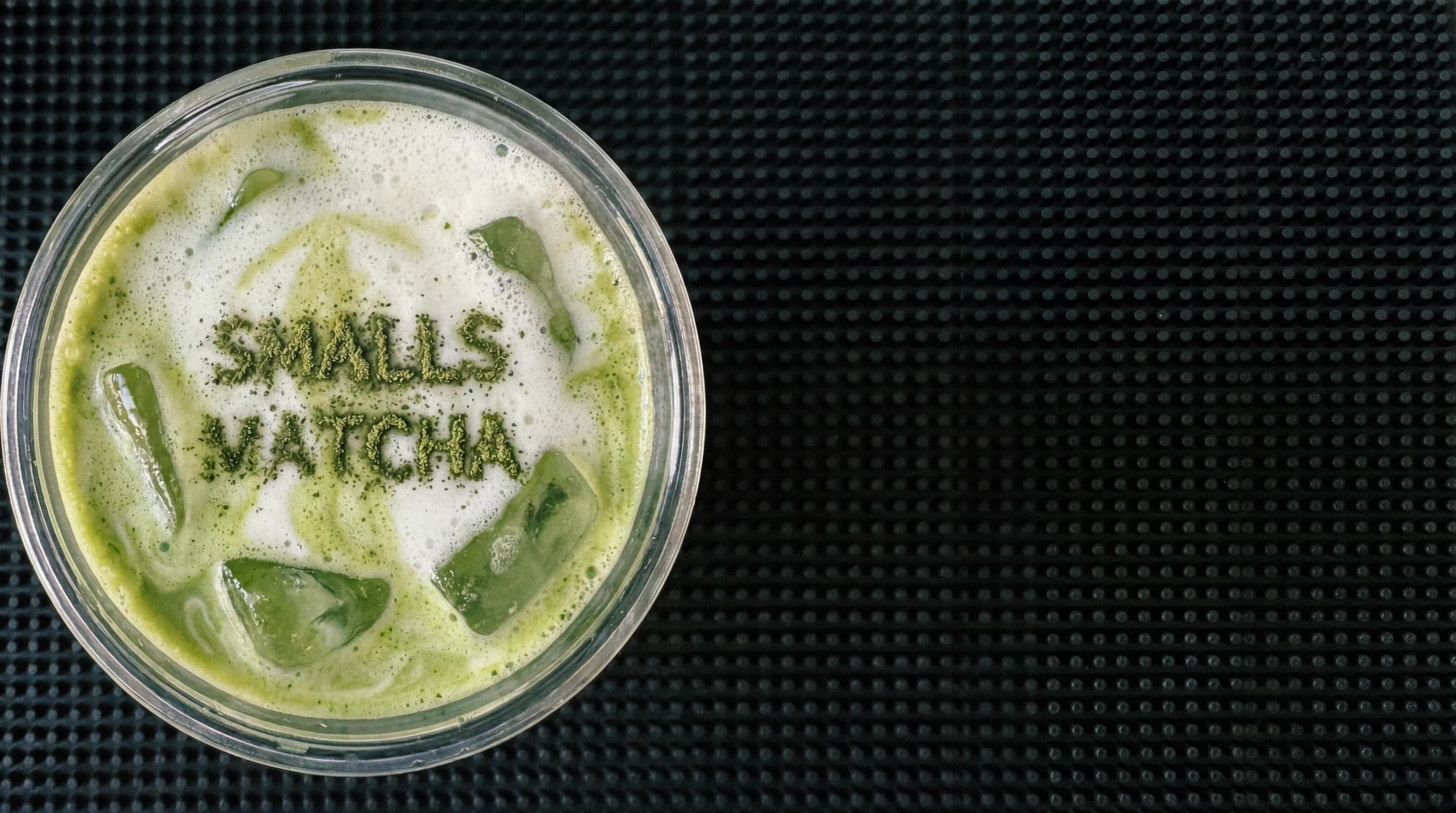
i a/b test matcha. you drink the winners.
ceremonial grade, fresh from a recent shipment.
i’m Thy. skin microbiologist by week, matcha by saturday. the lab habits came with me — ratios get tested, syrups get trials, and nothing gets poured until it beats the last version. pop-ups around dallas — tins are coming.
currently testing: jasmine v3 (steeped longer)
want in on the verdict?
pop-up dates, batch changes, first word on tins.
01 · pop-ups.
taste it
first.
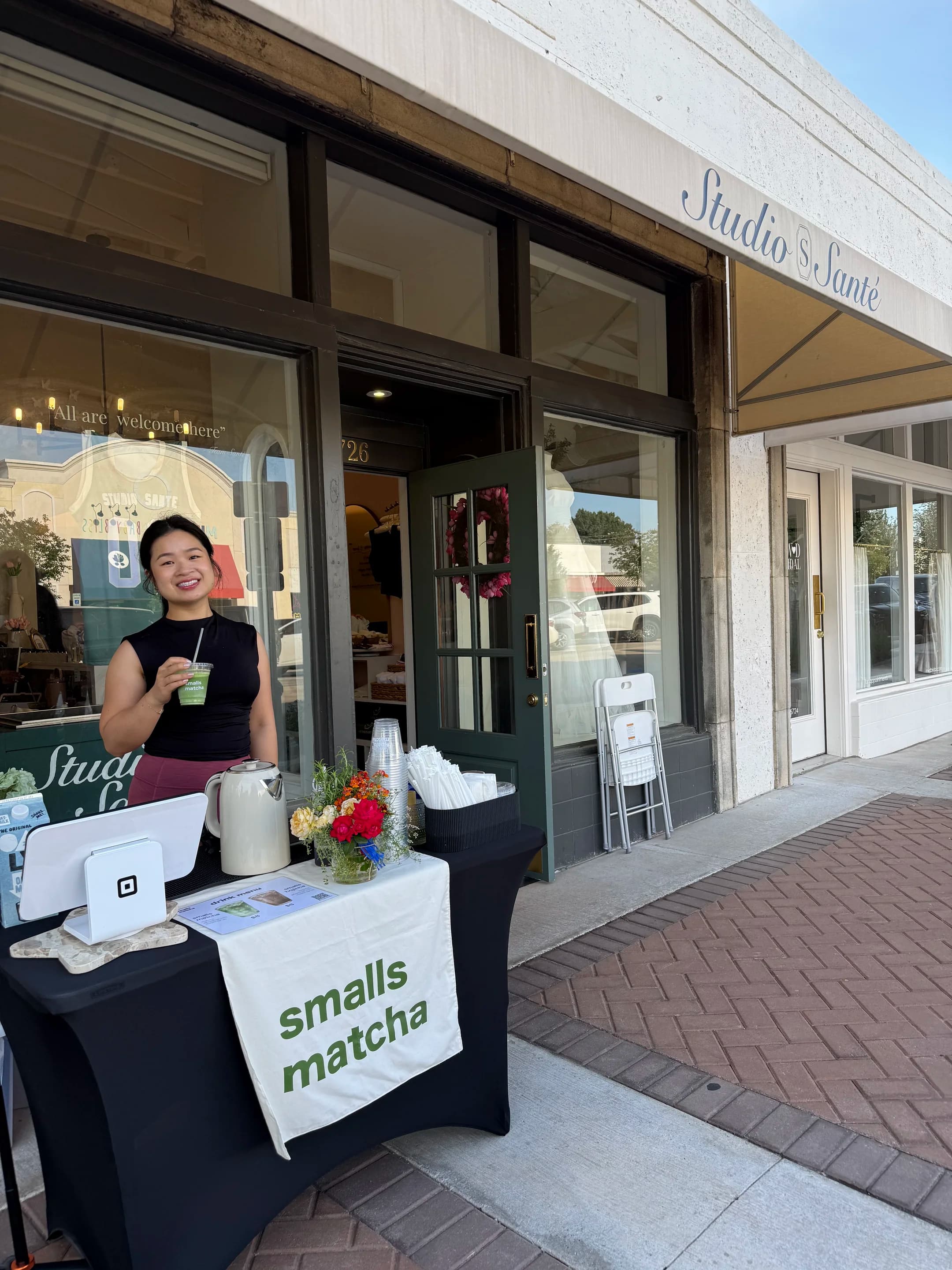
small pours at studios around dallas. i'll be the one whisking — come say hi. fair warning: every pop-up doubles as a tasting panel — what you order (and your face after the first sip) decides what the next batch looks like.
between pop-ups. next dates announced here and by email first.
the lab doesn't stop — leave your email above.
02 · the lineup.
one control.
three variables.
the base is straight tsuyuhikari, no sugar — that's the control. i keep it that way so i can taste what actually changed. everything else on the menu is an experiment that earned its spot.
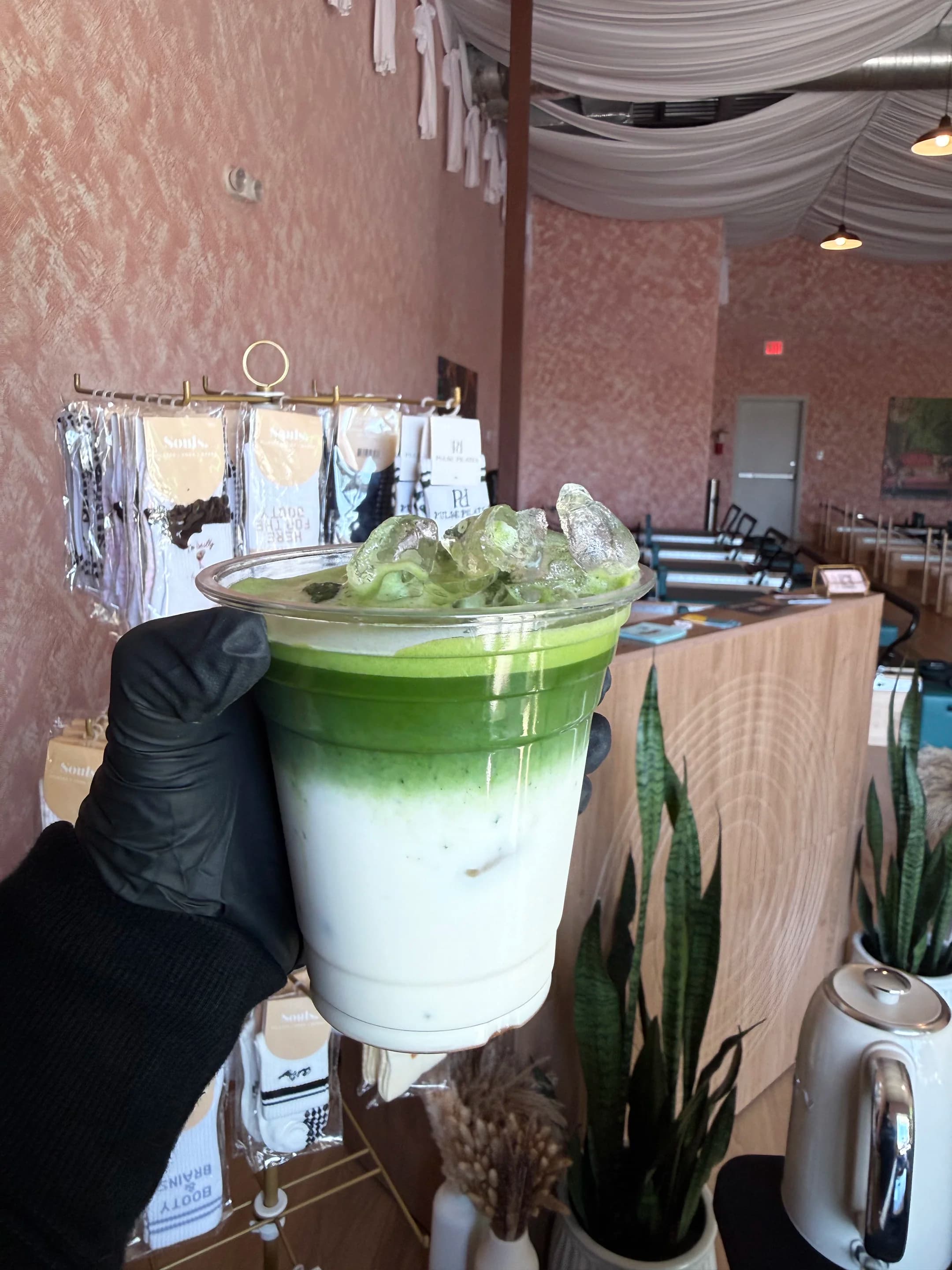
- 00the controljust tsuyuhikari, no sugar. nothing to hide behind.permanent
- 01maplewarm and round. the one regulars default to.in rotation
- 02jasminefloral on floral — tsuyuhikari already leans sakura, this leans in.in rotation
- 03strawberrythe one first-timers order. i get it.in rotation
syrups rotate when a new trial beats an old favorite. the control never changes.
03 · how it’s made.
no machines.
just me and a whisk.
sift, measure (to the gram), whisk. ninety seconds per cup. same way every time — that’s the point of a protocol.
current protocol2.0g : 90ml80°c waterno sugar
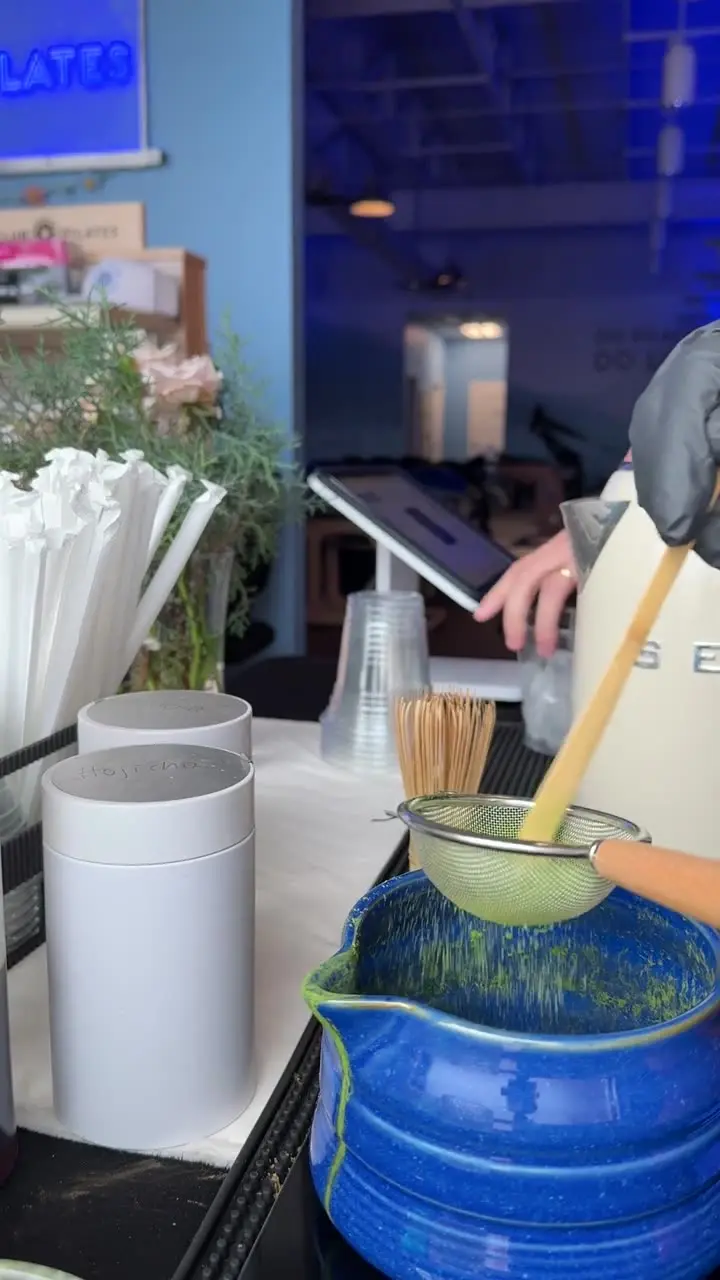
step 01sift 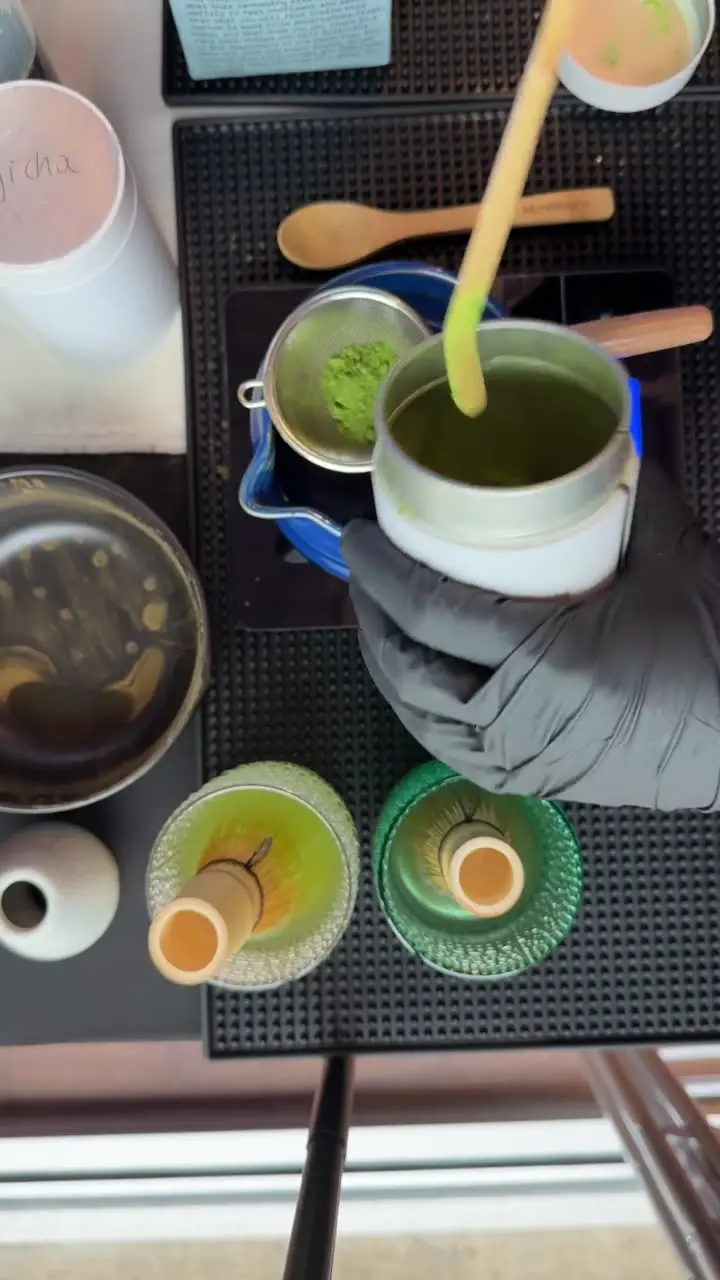
step 02scoop 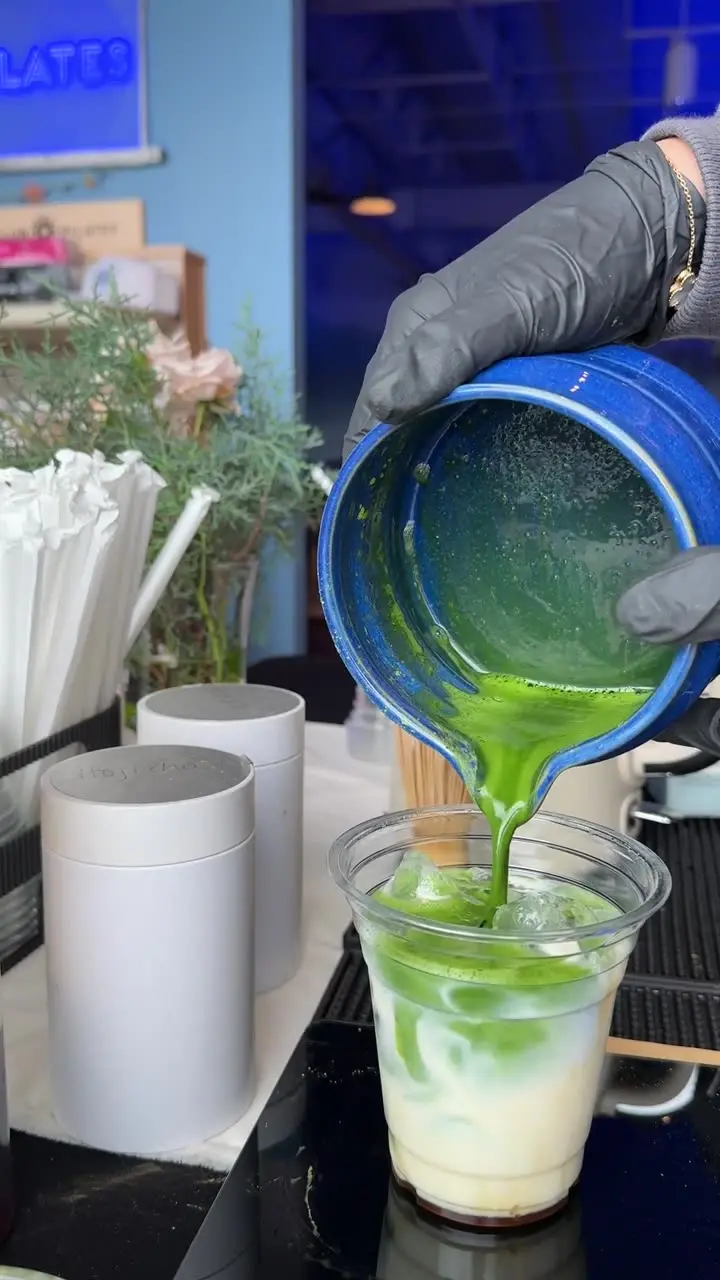
step 03pour
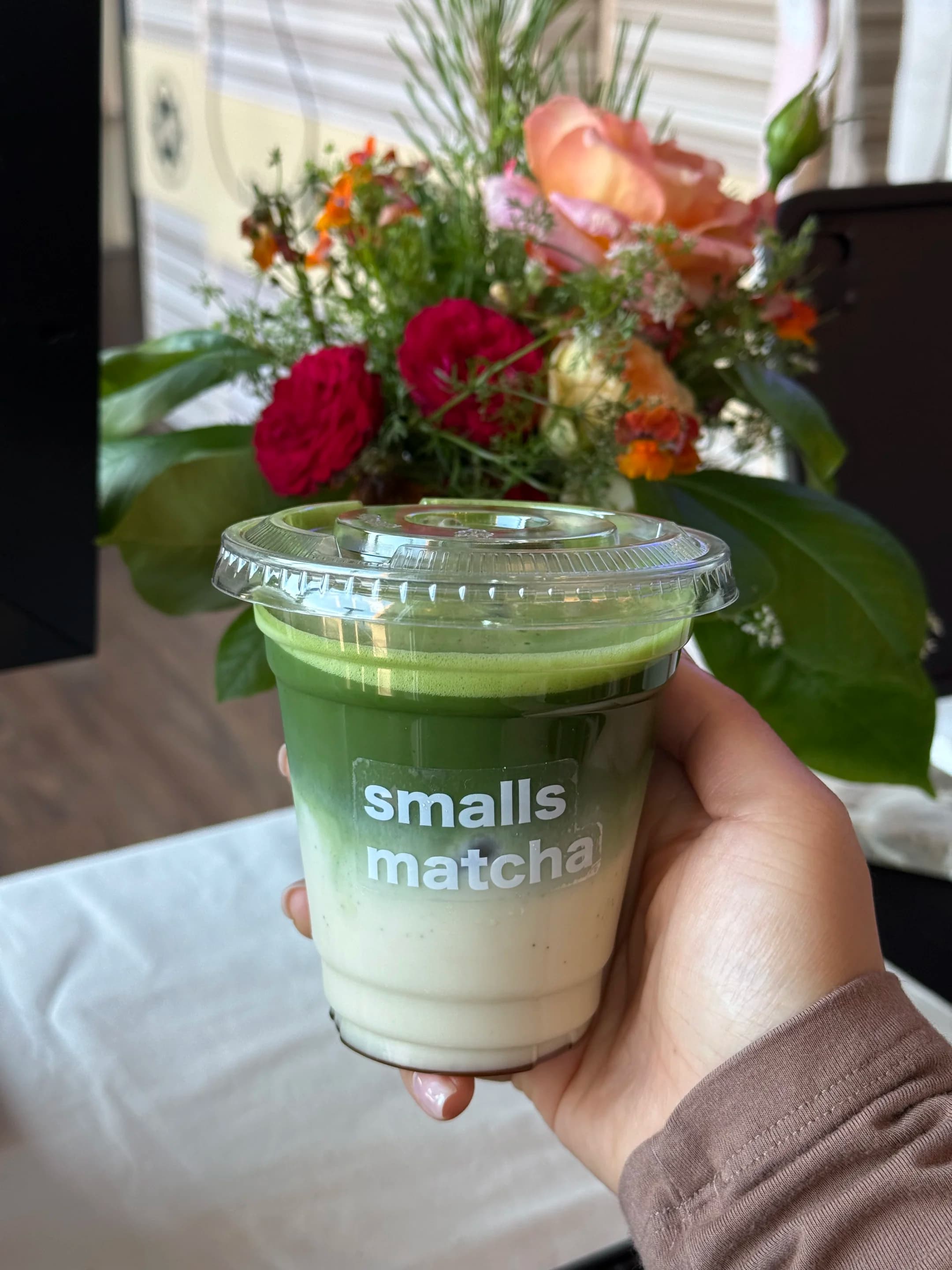
04 · current pour.
what i’m pouring now.
this batch is tsuyuhikari — a quiet cultivar from shizuoka, which is mostly known as sencha country.
sweet, herbal, no bitterness to push through. if you’ve only had grocery-store matcha, fair warning — this won’t taste like that.
- cultivar
- tsuyuhikari
- parents
- shizu-7132 × asatsuyu
- registered
- 2003
- harvest
- early may
- grade
- ceremonial
- base
- no sugar
on the tasting panel, your reaction shapes the next batch.
05 · from the log.
tested on
real saturdays.
what changed lately, and why. the recipe moves when the pop-up says so.
- 092026-06-28
dropped the ratio from 2.2g to 2.0g. less push, more of the sakura note. keeping it.
- 082026-06-14
jasmine syrup v2 — steeped longer. 12 of 15 pours preferred it. shipped.
- 072026-06-07
someone had her first-ever matcha today, came back an hour later with a friend. logging that as a win.